
Cryotherapy & ECRT
Cryotherapy & ECRT
Cryotherapy for malignant bone tumors is a limb-salvage technique used as an alternative to radiation-based tumor sterilization. In this method, liquid nitrogen is used to destroy tumor cells instead of radiation. The procedure begins with surgical resection of the tumor-affected bone segment while preserving surrounding soft tissues and neurovascular structures.
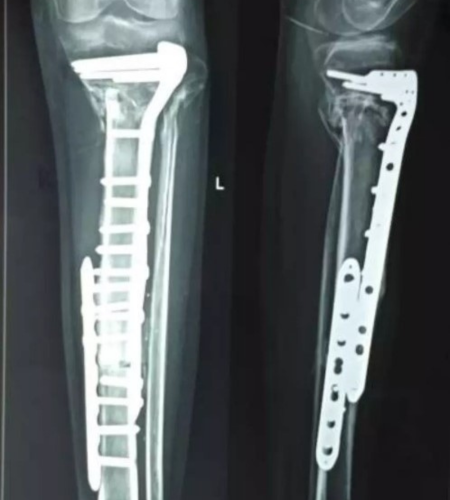
ECRT
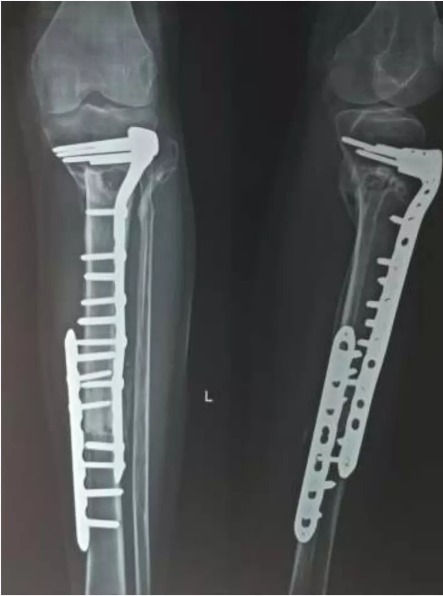
Ater Union of Bones
After resection, the excised bone is treated outside the body by exposing it to liquid nitrogen at extremely low temperatures (around –196°C). This rapid freezing causes ice crystal formation inside tumor cells, leading to cell membrane rupture, protein denaturation, and ultimately tumor cell death. Usually, multiple freeze–thaw cycles are applied to ensure complete eradication of malignant cells.
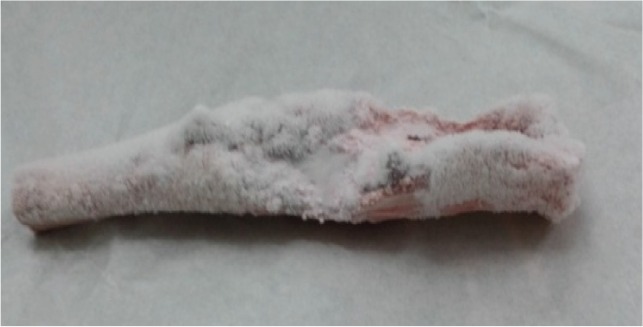
Once the bone is adequately sterilized, it is thawed, prepared, and re-implanted into the patient for biological reconstruction. The treated bone can then be fixed using plates, screws, or intramedullary devices.
Cryotherapy offers several advantages, including preservation of the patient’s own bone, maintenance of anatomical shape, avoidance of radiation-related complications, and cost effectiveness. However, potential complications include bone fragility, fracture, delayed union, infection, and cartilage damage.